



From Brake Pedal to Stopping Power: Understanding the Complete Brake Repair Process
You press your foot down on the pedal. Now the vehicle slows to a safe stop. But do you know the complex journey behind it? Stopping power requires a highly coordinated internal sequence. Many small parts must work perfectly every single time. Sometimes drivers ignore the tiny warnings from their vehicles. However a small squeak can signal major internal trouble. Understanding the mechanical process keeps everyone safe on the highway. This article explains the path from the foot pedal down to your tires.
The Initial Inspection Process
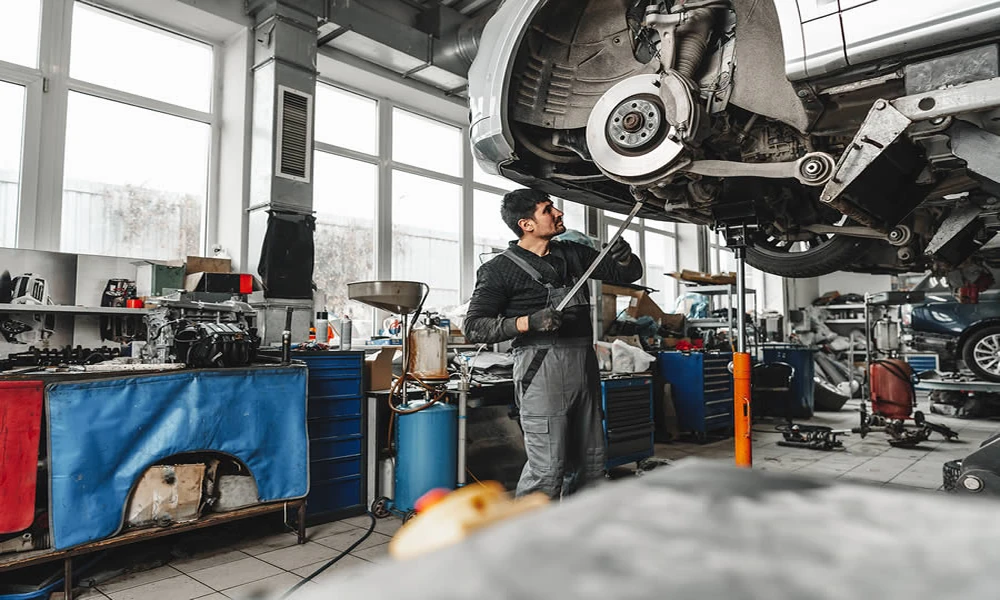
First the technician drives your vehicle into the service bay. Harrell and Beverly employs certified mechanics to diagnose braking system issues. The specialist examines the fluid levels inside the reservoir first. Then they hoist the automobile high into the air. This height allows a complete view of the wheels. The technician removes the heavy tires from the metal studs. Now they can view the hidden components quite easily. The entire visual evaluation reveals uneven wear patterns immediately. Sometimes rusted bolts require special tools for quick removal.
Measuring the Wear Components
Next the technician measures the remaining friction material thickness. They use a precise digital micrometer for accurate dimensions. But thin pads cannot dissipate the extreme friction heat safely. So the mechanic compares the measurements against factory specifications. They check the heavy metal rotors for deep surface grooves. Scoring happens when worn metal rubs against spinning metal directly. Now the specialist determines the necessity of resurfacing the rotors. Sometimes the metal is simply too thin for machining safely.
Replacing the Vital Hardware
Now the mechanic removes the old worn brake pads. Harrell and Beverly sources high quality replacement parts for every vehicle style. The technician cleans the metal caliper brackets with wire brushes. Then they apply specialized lubricant to the sliding metal pins. This grease prevents the calipers from sticking during sudden stops. New pads slide into the clean brackets quite smoothly now. But you must replace the old rattling clips as well. Fresh hardware ensures quiet operation during your daily highway commutes.
Final Testing and Quality Check
Finally the technician reinstalls the heavy wheels onto the studs. They torque the lug nuts to exact specifications carefully. Then Harrell and Beverly performs a rigorous road test around the neighborhood. The mechanic seats the new pads against the smooth rotors. This bedding process requires several gentle stops at low speeds. Now the system delivers full stopping power to the wheels. The vehicle stops smoothly without pulling to either side. You can drive away with complete confidence in your brakes thanks to Auto repair in Sanford, FL based services now.