



Torque Converter Shudder: Causes, Symptoms and Repair Considerations
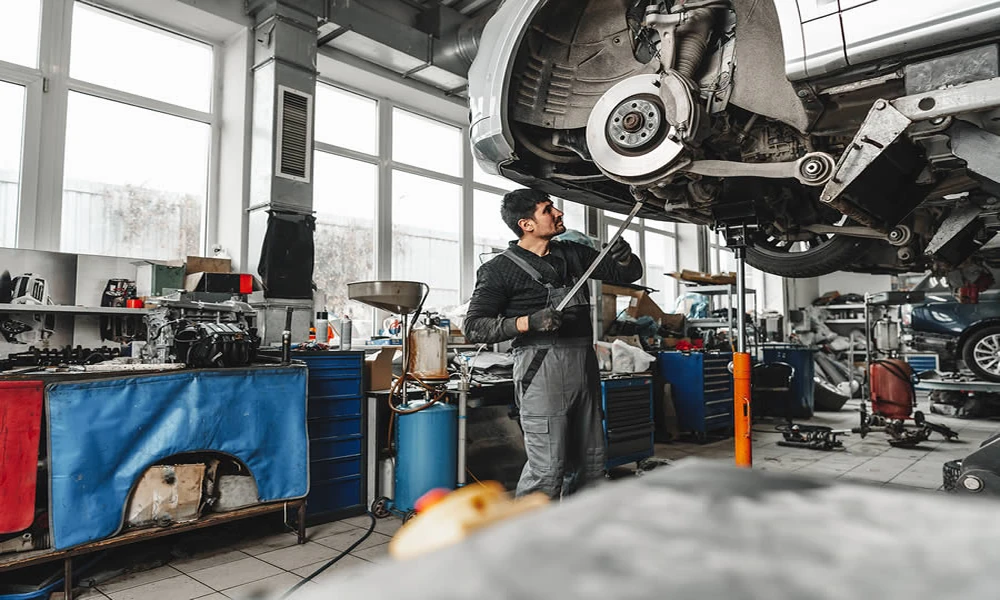
Transmission shudder can make ordinary driving feel uncomfortable and surprisingly unpredictable. Torque converter shudder often appears during light acceleration or steady cruising conditions. The sensation may feel like vibration beneath the vehicle during smooth driving. Understanding the causes helps drivers recognize problems before costly transmission damage becomes severe.
Transmission Fluid Can Influence Converter Operation
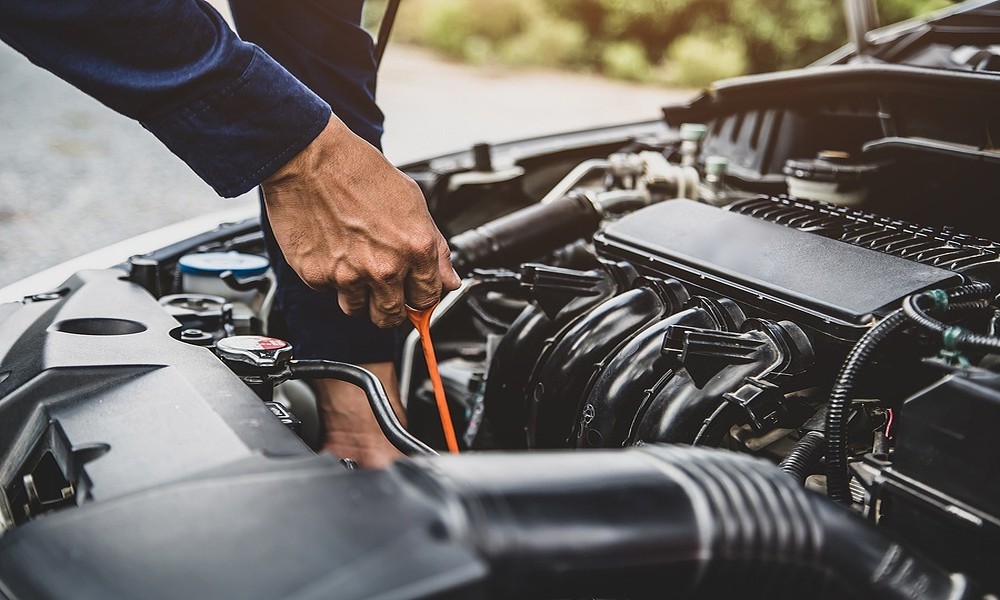
Transmission fluid performs several important functions inside an automatic transmission system. It lubricates components while also supporting hydraulic pressure and clutch operation. Over time fluid can become contaminated with particles and degraded friction materials. Such contamination can interfere with smooth torque converter clutch engagement. Low fluid levels can create additional operating problems within the transmission system. Insufficient fluid may affect hydraulic pressure and reduce consistent clutch operation. J&S Auto Repair can inspect fluid condition while assessing possible causes of transmission shudder.
Mechanical Wear Can Create Persistent Shudder
Internal wear can develop within the torque converter after prolonged vehicle use. The lockup clutch surface may gradually lose its ability to engage smoothly. Damaged components can create inconsistent friction during converter clutch operation. This problem may become increasingly noticeable during warm driving conditions. J&S Auto Repair can assess related transmission components when shudder continues despite fluid service. Proper diagnosis reduces the possibility of replacing expensive parts unnecessarily.
Repair Considerations for Torque Converter Shudder
Repair requirements depend heavily on the underlying cause of the shudder. A fluid service may help when contamination affects clutch engagement characteristics. However severely worn components may require more extensive transmission repairs. Some situations can require torque converter replacement or internal transmission servicing. J&S Auto Repair can use these findings to identify suitable repair considerations for the vehicle.
Conclusion
A professional Auto Repair in North Kingstown, RI service can provide useful transmission inspection when shudder repeatedly occurs. Early attention can help prevent minor operating concerns from becoming expensive failures. So persistent vibration should never be treated as ordinary automatic transmission behavior.
FAQs
Can Torque Converter Shudder Appear Only After Driving For A While?
Yes. Heat can change fluid behavior and clutch engagement characteristics during longer journeys. A shudder appearing only after warming may therefore provide useful diagnostic information.
Can A Transmission Filter Contribute to Converter Shudder?
A restricted filter can affect fluid circulation and hydraulic performance within some transmissions. This may influence converter clutch operation under particular driving conditions.
A restricted filter can affect fluid circulation and hydraulic performance within some transmissions. This may influence converter clutch operation under particular driving conditions.
Can Shudder Disappear Temporarily After Releasing the Accelerator?
Yes. Changing throttle position can disengage the lockup clutch and temporarily remove vibration. However, the underlying mechanical or fluid problem may still remain.
Yes. Changing throttle position can disengage the lockup clutch and temporarily remove vibration. However, the underlying mechanical or fluid problem may still remain.
Can Recent Transmission Servicing Cause New Shudder?
Incorrect fluid specification or improper service procedures can sometimes affect clutch behavior. Checking the recommended fluid specification can help identify service-related concerns.
Incorrect fluid specification or improper service procedures can sometimes affect clutch behavior. Checking the recommended fluid specification can help identify service-related concerns.
Can Driving Habits Influence Torque Converter Shudder?
Frequent low speed acceleration can repeatedly engage the converter clutch under demanding conditions.
Frequent low speed acceleration can repeatedly engage the converter clutch under demanding conditions.