


Car Thermostat Repair: Can Coolant Contamination Damage the Thermostat?
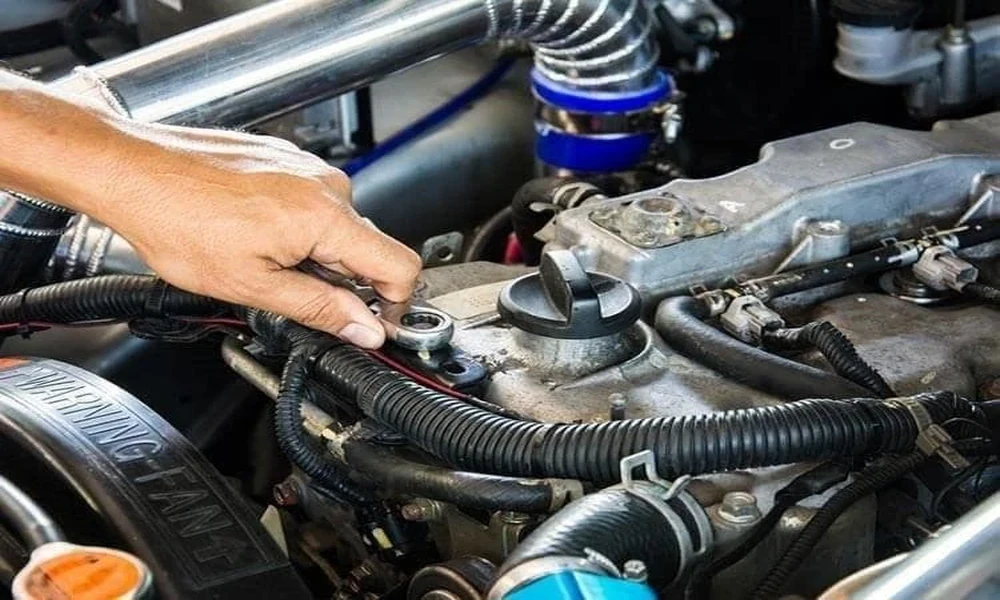
The vehicle cooling system maintains an ideal engine temperature through constant fluid circulation. The thermostat acts as a critical gatekeeper for this entire thermal regulation process. You might wonder if dirty coolant affects this vital metal component over time. Contaminated fluid carries debris that physically obstructs the delicate valve mechanism inside. This blockage prevents proper coolant flow and leads to rapid engine overheating issues.
Neglecting routine fluid maintenance creates unnecessary strain on your internal cooling hardware components. Reliable shops like Willand’s understand how sediment buildup ruins precise mechanical flow control valves. Proper fluid hygiene ensures that your thermostat operates smoothly during daily driving cycles. Ignoring these warning signs often results in expensive engine block repairs later.
Signs of Coolant Induced Thermostat Failure
Advanced diagnostic tools at Willand’s identify these precise flow restrictions very quickly. Early detection saves you from replacing warped cylinder heads or damaged components. Keep a close watch on your coolant color during routine oil changes. Bright clear fluid indicates that the cooling system remains healthy and efficient.
Professional Maintenance for Cooling Systems
Routine flushing remains the most effective method for preventing thermostat housing damage. Old coolant loses essential anti-corrosion additives that protect internal metal surfaces daily. You should trust a professional Auto repair in Ferndale, WA service for comprehensive chemical cleaning. Skilled mechanics utilize specialized machines to extract every drop of old sludge.
Fresh coolant provides superior heat transfer capabilities and prevents future scale accumulation. Regular service intervals depend upon the specific manufacturer recommendations for your vehicle. Preventing contamination ensures that the thermostat performs reliably for many thousands miles. Invest in preventative care to avoid sudden roadside breakdowns in summer heat. Consistent maintenance protects your vehicle engine from avoidable thermal related catastrophic failures.
FAQs
Can using distilled water alone prevent thermostat mineral scaling during summer months?
Distilled water lacks minerals but boils quickly which causes extreme vapor lock issues.
Does high mileage coolant contain different additives that harm older thermostat seals?
Older seals sometimes swell when exposed to modern high detergent synthetic coolant blends.
Will a stuck open thermostat cause my engine oil to sludge prematurely today?
Cold engine operation prevents oil from reaching optimal temperatures to evaporate moisture.
Does external salt exposure on the road affect internal cooling system pressure?
Salt corrosion weakens radiator seams but rarely affects the internal thermostat mechanism.
Can aftermarket sensors misread coolant density and trigger false thermostat replacement warnings?
Sensors measure heat rather than density so fluid contamination remains visually undetectable.