


Factors Need Attention: Before Selling Big Bikes in the Used Market
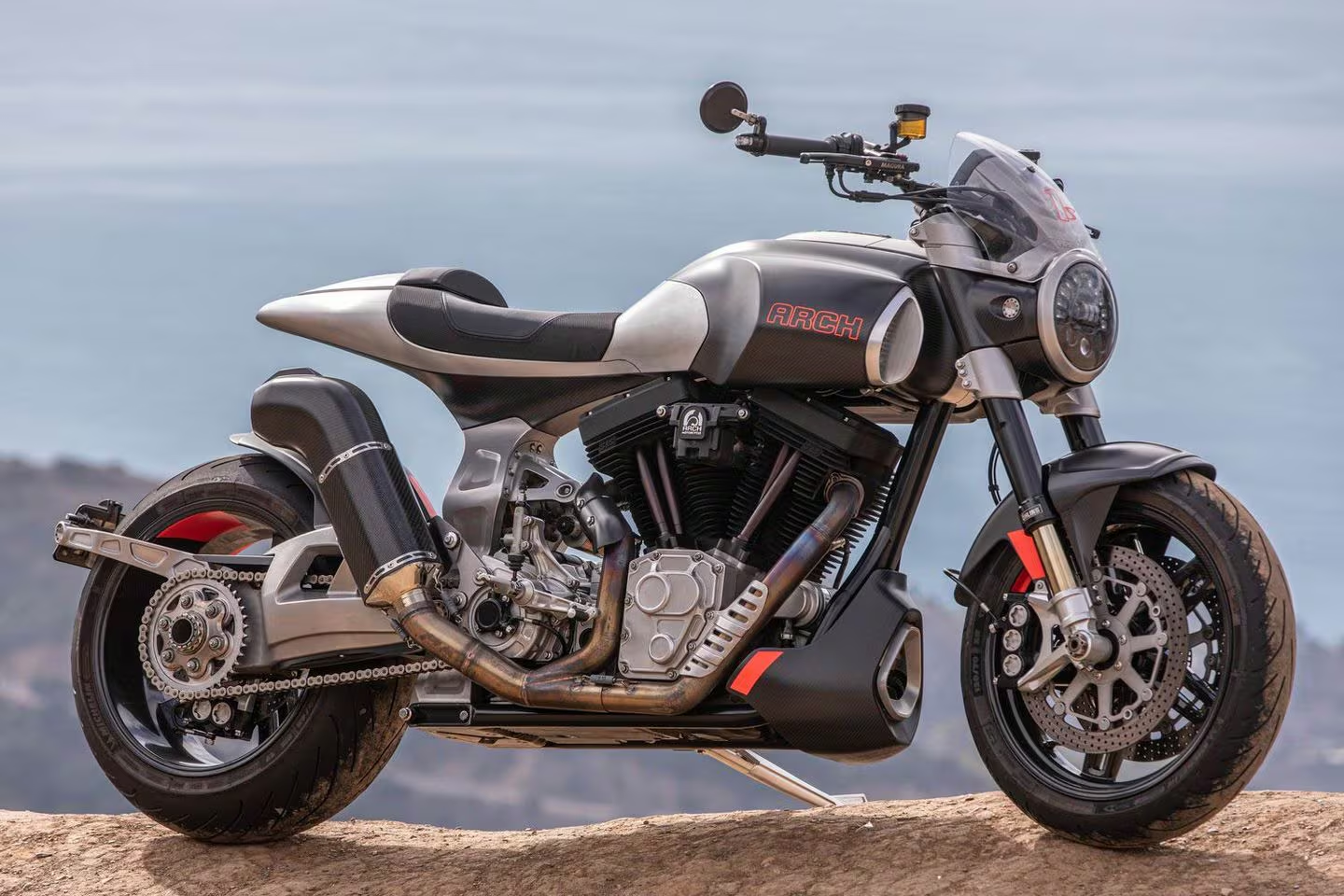
When selling a big bike in the used motorcycle market, more planning is required than selling a regular commuter motorcycle. Big bikes are high-capacity, performance, comfort, and long-distance bikes; hence, buyers look at them differently. Knowing the key aspects before venturing into the used market helps the seller make sensible and practical decisions.
Establishing a Realistic Asking Price
A bike’s age contributes very little in determining the bike’s overall value, which is instead, predominantly based on the bike’s condition, service history, and mileage. Too high an asking price will make most buyers lose interest and too low an asking price will make you lose financially due to the bike’s true worth on the market.
Servicing history is the most important thing to look for in the used big bike market. Buyers look for documents stating that regular service, oil change, and parts replacement were done to the bike. This helps to illustrate that the seller is responsible and the bike is mechanically sound. Out of the big aspect of the bike, sell big bike (ขายบิ๊กไบค์, this is the term in Thai) market will make the most adjustments and negotiate based on the cosmetic condition of the bike. Things like scratches, and worn seats, and paint fade will lose the bike value.
Assessing Mechanical Issues
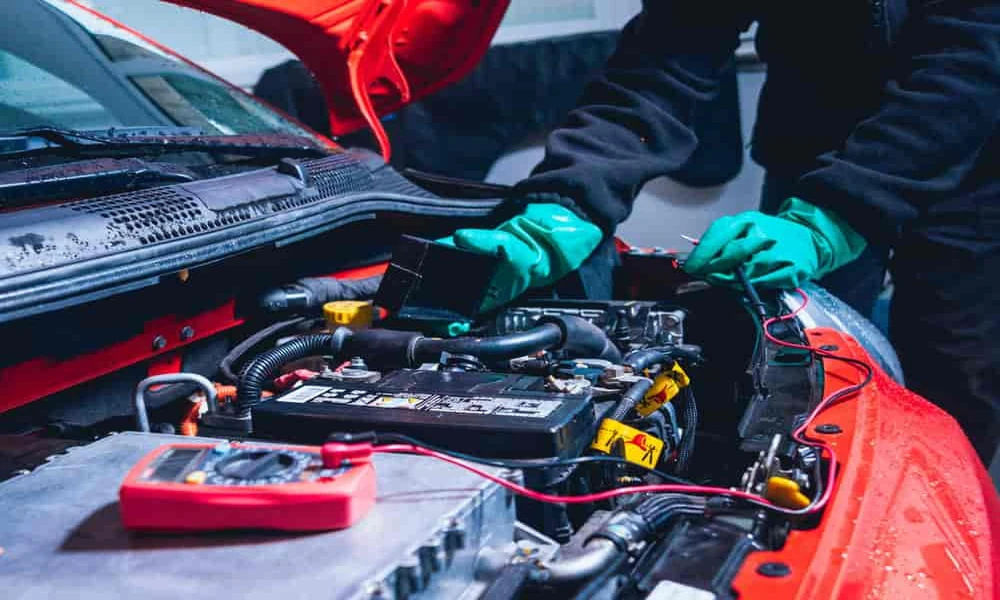
When selling big bikes, focus on mechanical issues. Big bikes need fully functional engines, clutch, brakes, suspension, and electrical systems. Small issues matter, since big bike repairs can be expensive. Big bike owners often add aftermarket parts. These may enhance riding, but often add little resale value. Many buyers desire stock parts that are easier to maintain and more reliable.
Fuel Efficiency and Documentation
Fuel cost is important to buyers considering performance trade-offs on big bikes. Running costs of a big bike, including maintenance and spare parts, really matter.Selling a big bike is paperwork intensive. Registering, transferring, and owning documents must be complete. Missing documents may cause delays and losses. Big bike demand is seasonal. Timing the sale may lead to increased demand during riding season and a longer wait during the off-season. Seasonal demand can aid consistently timed sales.
Conclusion
There is often an emotional aspect associated with owning big bikes, along with personal memories that often accompany their purchase. However, emotional value often does not align with the market value of the product. Keeping emotional value aside helps to smoothen negotiations.
Selling big bikes on the second-hand market is an exercise that requires preparation, honesty, and an expectation of what is realistic. Familiarity with the market, the condition of the motorcycle, the behavior of the buyers and their priorities aids the seller in navigating the transaction. Such knowledge helps the seller to approach the second-hand motorcycle market with confidence, patience, and clarity and helps align expectations throughout the selling experience.