




How Technology Is Shaping the Future of Classic Car Restoration

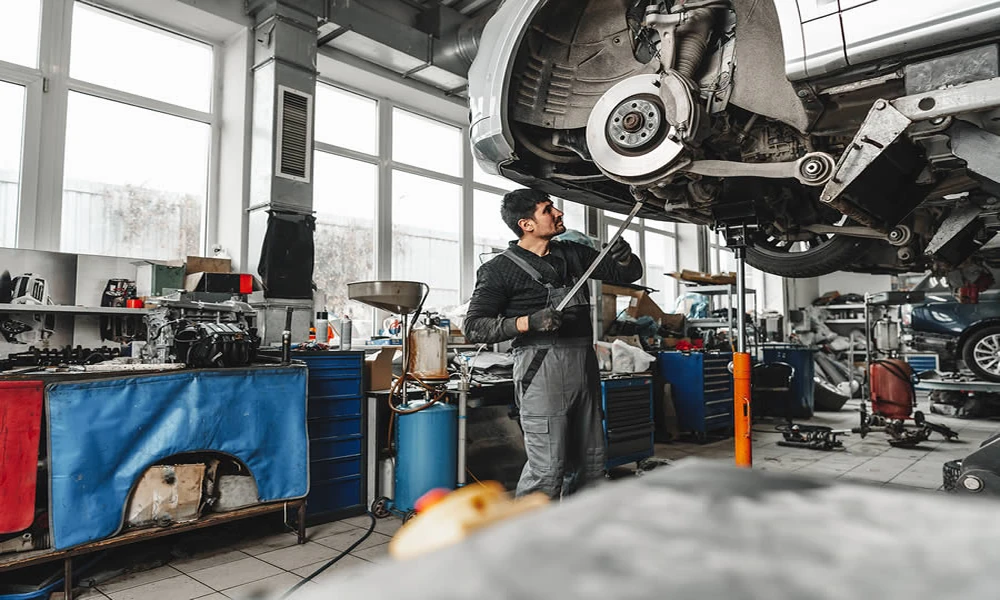
Classic car restoration has always been rooted in tradition, craftsmanship, and patience. However, modern technology is now transforming how these projects are approached, making restoration more precise, efficient, and accessible than ever before. future of classic car restoration While the essence of preserving vintage vehicles remains the same, the tools and methods used are rapidly evolving.
One of the most significant changes is the use of digital resources for research and learning. In the past, restorers relied heavily on manuals and expert advice. Today, platforms like YouTube and Instagram provide instant access to tutorials, step-by-step guides, and real-time project documentation. This has made it easier for beginners to learn techniques and for experienced restorers to refine their skills.
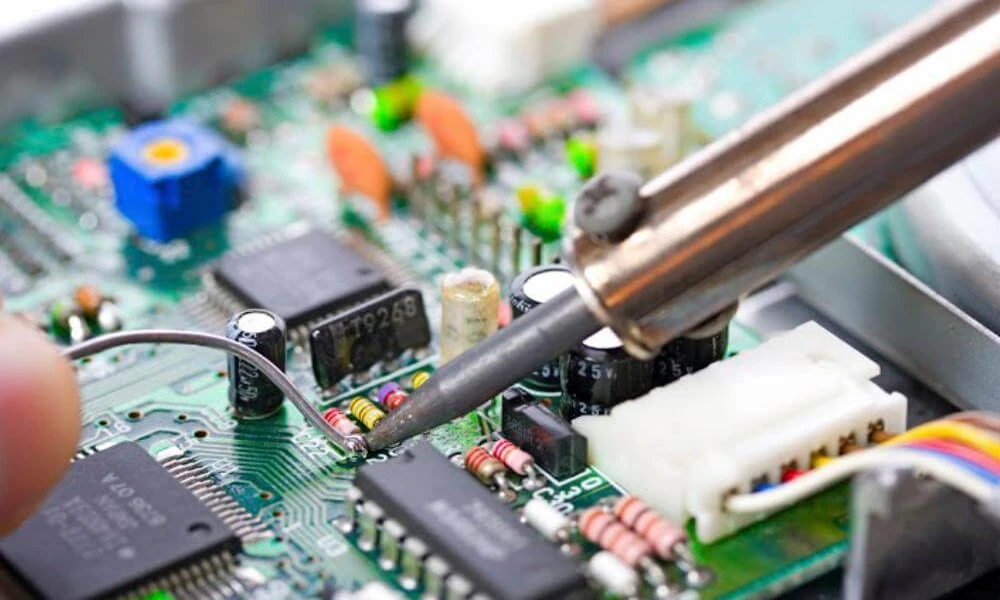
Advanced diagnostic tools are also improving the restoration process. Modern scanning devices can quickly identify issues in engines and electrical systems, even in older vehicles that have been upgraded with newer components. This reduces guesswork and helps restorers make accurate decisions, saving both time and effort.
Another major innovation is 3D printing. Finding rare or discontinued parts has always been one of the biggest challenges in classic car restoration. With 3D printing, restorers can now recreate missing or damaged components with high precision. This not only reduces dependency on hard-to-find parts but also allows customization while maintaining the original design.
Computer-aided design (CAD) software is further enhancing restoration accuracy. Restorers can design, modify, and test components digitally before physically working on them. This minimizes errors and ensures better results. It also allows for careful planning, especially in complex restoration projects where precision is crucial.
Technology is also improving paint and finishing techniques. Modern paint systems offer better durability, color matching, and environmental safety compared to traditional methods. Advanced tools ensure smoother application and a more professional finish, helping restorers achieve high-quality results.
Online marketplaces and digital platforms have made sourcing parts much easier. Restorers can now find rare components, compare prices, and connect with sellers worldwide. This global accessibility has reduced one of the biggest barriers in restoration projects and opened up more possibilities for enthusiasts.
In addition, virtual communities and forums are playing a vital role. Enthusiasts can share knowledge, ask questions, and collaborate with others across the world. This exchange of information helps solve problems faster and encourages innovation within the restoration community.
Despite all these advancements, technology does not replace the need for skill and patience. Instead, it enhances the restoration process by making it more efficient and accessible. The combination of traditional craftsmanship and modern tools creates a balanced approach that benefits both beginners and experienced restorers.
In conclusion, technology is shaping the future of classic car restoration by improving learning, precision, accessibility, and efficiency. While the passion for preserving classic vehicles remains unchanged, the methods continue to evolve, making the journey more rewarding and achievable for a new generation of enthusiasts.