


How Car Parking Sensors Communicate with Onboard Computers
Parking sensors aid modern drivers. They emit signals to detect objects. Onboard computers receive these signals. Processing turns data into alerts. Drivers rely on audible cues. Visual displays reinforce warnings. Systems integrate with navigation units. Reliability depends on proper maintenance. Professional technicians ensure optimal function. They diagnose faults with specialized tools. Repair shops replace worn components. Calibration aligns sensors with vehicle. Testing validates alert accuracy. Regular service prevents unexpected failures. Choose trusted providers like Auto Repair in El Cajon, CA for peace.
Sensor Operation Basics
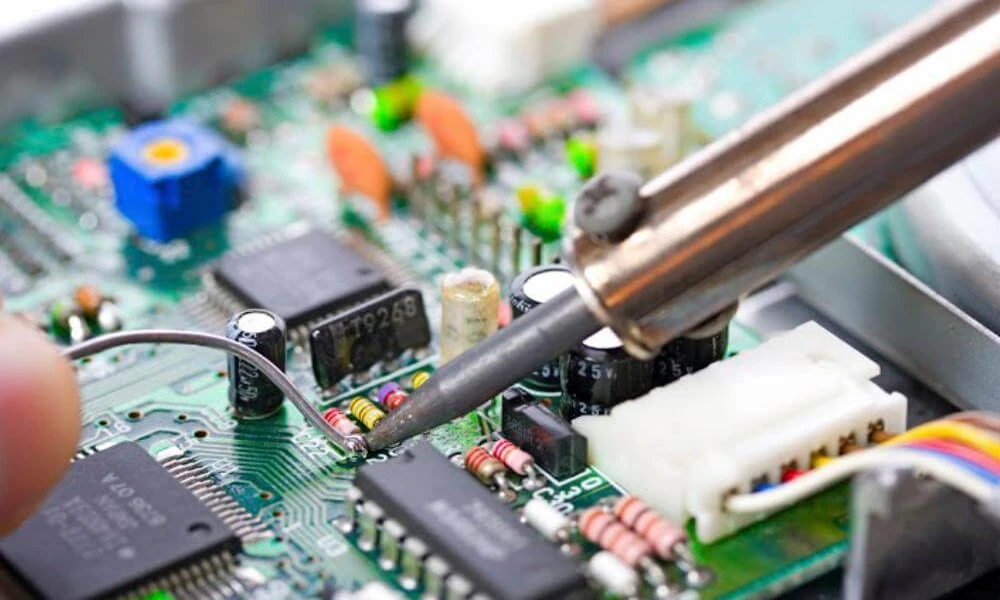
Sensors sit behind bumper panels. Ultrasonic units emit sound pulses. Echoes return to transducer surface. Microcontroller converts delay into distance. Signal strength indicates object size. Temperature sensor adjusts wave speed. Ambient light sensor filters noise. Control unit receives processed data. Data travels through CAN bus. Bus connects multiple vehicle modules. ECU interprets sensor inputs. Algorithm predicts collision risk. Risk level drives alert logic. Caliber Auto Repair often checks sensors. Technicians validate signal accuracy. Fault codes appear on scanner. Scanner reads error description. Mechanic replaces faulty transducer. New unit calibrated for vehicle. Calibration ensures precise distance reading. System rechecks after installation. Vehicle ready for road testing.
Alert Processing Logic
ECU gathers data continuously. Processor runs detection routine. Threshold values set for safety. Rapid calculations determine proximity. If object nears alert triggers. Beep frequency rises sharply. Display shows distance bar. Driver interprets visual cue. System updates status each millisecond. Power management balances sensor load. Battery voltage monitored closely. Low voltage causes reduced range. ECU reports voltage drop. Caliber Auto Repair diagnoses power issue. Technician swaps weak battery. Reprogramming aligns sensor timing. Software version influences performance. Updates improve detection accuracy. Factory guidelines dictate update schedule. Mechanic follows official protocol. System reboots after changes. Vehicle operates with refined awareness.
Diagnostic and Repair Steps
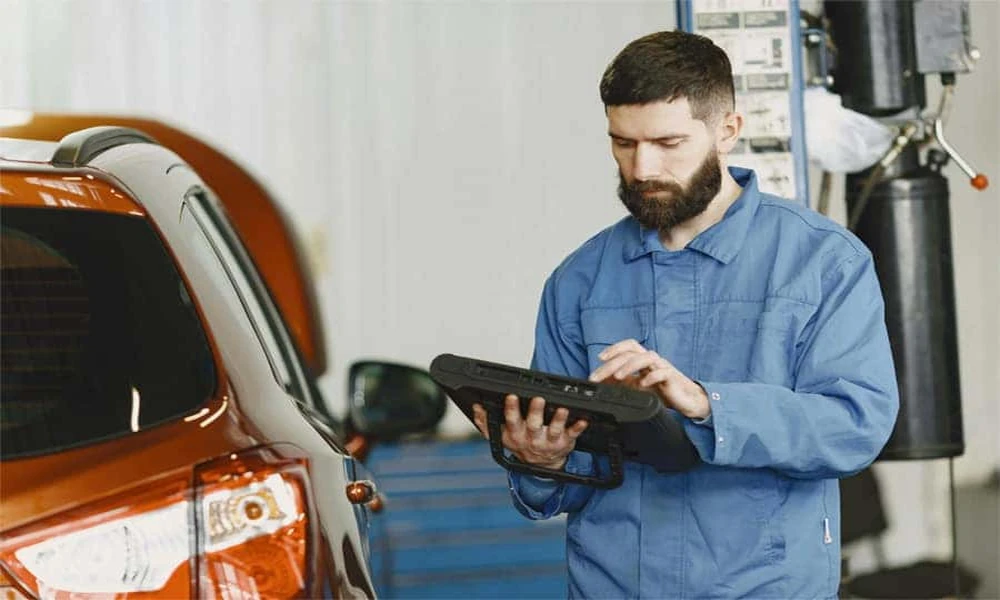
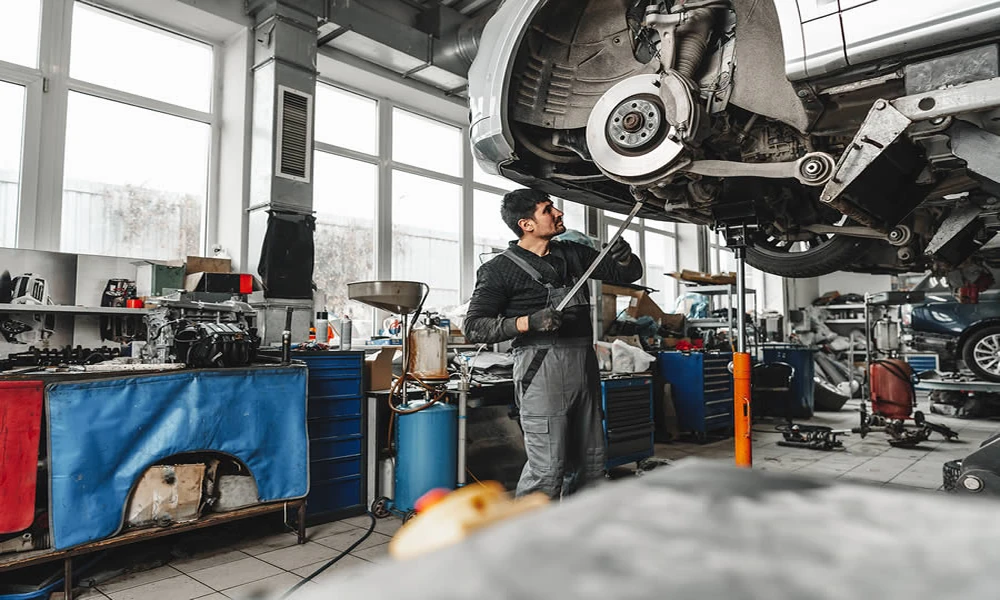
Diagnostics connect to vehicle port. Software reads sensor data stream. Error logs reveal hidden faults. Technician isolates malfunctioning module. Replacement part ordered promptly. Caliber Auto Repair supplies genuine component. Mounting follows factory torque specs. Wiring harness secured tightly. System powered up for verification. All alerts cleared successfully. Calibration routine launched automatically. Parameters tuned to vehicle weight. Sensor angles adjusted precisely. Testing confirms correct response. Customer receives detailed service report. Warranty covers future sensor issues. Service team offers maintenance tips. Regular checks prevent unexpected failures. Clean sensor lenses improve performance. Winter conditions demand extra care. Caliber Auto Repair provides seasonal advice.
Conclusion
Parking sensors save many lives. Technology links hardware and software. Onboard computers interpret sensor data. Alerts guide driver actions. Proper maintenance keeps system reliable. Regular checks prevent hidden faults. Qualified technicians ensure optimal performance. Caliber Auto Repair offers expertise. Customers trust professional service. Future innovations will enhance safety. Sensors will become smarter. Integration will broaden vehicle capabilities. Drivers benefit from advanced alerts. Overall road safety improves daily. Choose reliable service for confidence.